READ OUR BLOG


Exercise-and-OA.jpg
07/Dec/2023

In this webinar, Dr Christian Barton will discuss the importance of prescribed exercise and getting active to help manage knee osteoarthritis. A number of myths will be discussed and busted. The numerous benefits of exercise for osteoarthritis and general health will be discussed, and guidance on how to address pain to get active again provided.

Our presenter: Dr Christian Barton


Dr Christian Barton is a physiotherapist with his research and practice focused on the management of persistent knee pain and osteoarthritis (OA), as well as running-related injury. He is based at La Trobe University’s Sport and Exercise Medicine Research Centre in Melbourne and he also leads numerous projects related to facilitating patient and health professional education via digital and social media through the ‘Translating Research Evidence and Knowledge’ (or TREK) initiative. Christian also leads GLA:D Australia, which aims to improve access to appropriate exercise and education to all Australians with OA.

This webinar is sponsored by our valued partner *Peninsula Hot Springs


*It is important to note that webinar sponsors have no influence over the webinar content


Microbiome-1-1200x794.jpeg
07/Dec/2023

Have you heard about the microbiome, but are not really sure what it is? Wondered about the connection between the microbiome and your health? This webinar will review the methodology that has been developed to evaluate the human microbiome, discuss some of the pivotal studies that have evaluated the role of the microbiome in a person’s health generally, as well as studies specific to what is known about the microbiome in inflammatory musculoskeletal disease.

Our presenter: Conjoint Professor Marissa Lassere


Conjoint Prof Marissa Lassere is a clinical rheumatologist and Senior Staff Specialist Rheumatologist at St George Hospital. She is also involved in numerous research, ethics and quality improvement committees at a local, state and national level. Marissa has a track record in performing national and international collaborative research in establishing longitudinal cohorts in inflammatory arthritis, patient-reported outcomes (PROs), imaging biomarker development/ evaluation, statistical modelling of biomarker evaluation and surrogate therapeutics including simulation studies, meta-analyses and their evaluation, health informatics, adverse event ascertainment and quality improvement. She has many publications and has been successful in obtaining research grants, including a Centre of Research Excellence in inflammatorily arthritis and two Medical Research Future Fund grants in adult and juvenile arthritis. She is also the current Chair of the Management Committee of Australian Rheumatology Association Database (ARAD). More recently she has undertaken research and has received grants on the microbiome in inflammatory arthritis and is affiliated with the Microbiome Research Centre, UNSW at St George Hospital.


Arthritis-of-the-thumb-1200x800.jpeg
07/Dec/2023

This webinar is designed to provide consumers with a better understanding of osteoarthritis and an overview of the most up-to-date hand therapy options for treating and managing their condition.

Our presenter: Ms Jessica Cauchi


Jessica Cauchi is an Accredited Hand Therapist (as awarded by AHTA) and a Clinic Director at Melbourne Hand Rehab. Jessica has a passion for providing client-centred, holistic care that is evidence-based. Jessica works with and educates clients about how to best manage their hand injuries and conditions to enable them to reach their identified goals. Jessica has a special interest in treating clients who have osteoarthritis and assisting in ways to maintain their function and participation in tasks they love to do.


Working-with-HPs-1200x800.jpg
07/Dec/2023

Living with a chronic health condition can, at times, feel like your condition is in control. Would you like to find out how to put yourself back in the ‘driver’s seat’ with your condition being a ‘passenger’? This webinar will give you some tips and strategies on how to how to effectively communicate with your healthcare providers; how to plan ahead for your appointments; and advice about being aware of your emotions’ impact on your information processing and decision-making. Understanding more from the perspective of your health professionals and what they are aiming to achieve when working with you will also be covered.

Our presenter: Ms Bridget Scanlon


Bridget is a psychologist who is committed to working from the biopsychosocial model of health. She is passionate about helping clients understand the mind–body connection and developing their confidence to cope independently. Bridget works in a multi-disciplinary team at Empower Rehab where they assist people experiencing persistent pain to do more. With special areas of interest in chronic pain and healthy ageing, Bridget values and enjoys working collaboratively with other members of the client’s treating team to ensure the client can achieve realistic, functional goals.


coffee.png
16/Nov/2023

Or how to manage fatigue

We all get tired. We overdo things and feel physically exhausted. It happens to us all. Usually after a night or two of good quality sleep the tiredness goes away and we’re back to our old selves.

But fatigue is different.

It’s an almost overwhelming physical and/or mental tiredness. And it usually takes more than a night’s sleep to resolve. It generally requires multiple strategies, working together, to help you get it under control.

Many people living with a musculoskeletal condition struggle with fatigue. It may be caused by a chronic lack of sleep, your medications, depression, your actual condition (e.g. rheumatoid arthritis, lupus, fibromyalgia) or just the very fact that you live with persistent pain.

Fatigue can make everyday activities difficult, and can get in the way of you doing the things you enjoy. The good news is there are many things you can do to manage fatigue and get on with life.

Exercise and being active. While this may sound like the last thing you should do when you’re feeling fatigued, exercise can actually boost your energy levels, help you sleep better, improve your mood, and it can help you manage your pain. If you’re starting an exercise program, start slowly, listen to your body and seek advice from qualified professionals. Gradually increase the amount and intensity of activity over time.

Take time out for you. Relaxation – both physical and mental – can help you manage your fatigue. I’m not just talking about finishing work and plonking down in front of the TV – though that may be one way you relax and wind down. I’m specifically referring to the deliberate letting go of the tension in your muscles and mind. There are so many ways to relax including deep breathing, visualisation, gardening, progressive muscle relaxation, listening to music, guided imagery, reading a book, taking a warm bubble bath, meditating, going for a walk. Choose whatever works for you. Now set aside a specific time every day to relax – and choose a time when you’re unlikely to be interrupted or distracted. Put it in your calendar – as you would any other important event – and practise, practise, practise. Surprisingly it takes time to become really good at relaxing, but it’s totally worth the effort. By using relaxation techniques, you can reduce stress and anxiety (which can make you feel fatigued), and feel more energised.

Eat a well-balanced diet. A healthy diet gives your body the energy and nutrients it needs to work properly, helps you maintain a healthy weight, protects you against other health conditions and is vital for a healthy immune system. Make sure you drink enough water, and try and limit the amount of caffeine and alcohol you consume.

And take a note out of the Scout’s handbook and ‘be prepared’. Consider making some healthy meals that you can freeze for the days when you’re not feeling so hot. You’ll then have some healthy options you can quickly plate up to ensure you’re eating well without having to use a lot of energy.

Get a good night’s sleep. Good quality sleep makes such a difference when you live with pain and fatigue. It can sometimes be difficult to achieve, but there are many things you can do to sleep well, that will decrease your fatigue and make you feel human again. Check out our blog on painsomnia for more info and tips.

Pace yourself. It’s an easy trap to fall into. On the days you feel great you do as much as possible – you push on and on and overdo it. Other days you avoid doing stuff because fatigue has sapped away all of your energy. By pacing yourself you can do the things you want to do by finding the right balance between rest and activity. Some tips for pacing yourself: plan your day, prioritise your activities (not everything is super important or has to be done immediately), break your jobs into smaller tasks, alternate physical jobs with less active ones, and ask for help if you need it.

Write lists and create habits. When you’re fatigued, remembering what you need at the shops, where you left your keys, if you’ve taken your meds or what your name is, can be a challenge. And when you’re constantly forgetting stuff, it can make you stress and worry about all the things you can’t remember. Meh – it’s a terrible cycle. So write it down. Write down the things you need at the supermarket as soon as you think of it –a notepad on the fridge is a really easy way to do this. Create habits around your everyday tasks – for example always put your keys in a bowl by the door or straight into your bag, put your meds in a pill organiser.

Be kind to yourself. Managing fatigue and developing new ways to pace yourself is a challenge. Like any new behaviour it takes time, effort and lots of practice. So be kind to yourself and be patient. You’ll get there. It may take some time, and there may be some stumbles along the way, but you will become an expert at listening to your body, pacing yourself and managing fatigue.

Talk with your doctor. Sometimes fatigue may be caused by medications you’re taking to manage your musculoskeletal condition. If you think your medications are the issue, talk with your doctor about alternatives that may be available.

Fatigue may also be caused by another health condition – including anaemia (not having enough healthy red blood cells to carry oxygen around your body), diabetes, high blood pressure, fibromyalgia and being overweight. If you’re not having any success getting your fatigue under control, your doctor may suggest looking into other potential causes.

So that’s fatigue…it can be difficult to live with, but there are lots of ways you can learn to manage it.

Tell us how you manage. We’d love to hear your top tips for dealing with fatigue.

FIRST WRITTEN AND PUBLISHED BY LISA BYWATERS IN OCTOBER  2020

Call our Help Line

If you have questions about things like managing your pain, COVID-19, your musculoskeletal condition, treatment options, telehealth, or accessing services be sure to call our nurses. They’re available weekdays between 9am-5pm on 1800 263 265; email (helpline@msk.org.au) or via Messenger.

More to explore


A-weed-by-any-other-name.png
24/Oct/2023

Medicinal cannabis and you

Marijuana, dope, pot, grass, weed, Mary Jane, doobie, bud, ganja, hashish, hash, wacky tobaccy…they’re just some of the common names for cannabis.

Whatever you call it, it’s been used for medicinal purposes for thousands of years, until it became a banned or controlled substance in most parts of the world.

But for decades there’s been renewed interest in its use in healthcare, with many countries – including Australia in 2016 – decriminalising it for medicinal use.

Last year alone the Therapeutic Goods Administration (TGA) granted over 25,000 applications from doctors to prescribe cannabis, mostly in the form of an oil.

So let’s weed out some of the facts and explore the use of medicinal cannabis for pain and musculoskeletal conditions.

Is it marijuana or cannabis?

It’s both. They’re just different names for the same plant – marijuana is the commonly used name, cannabis is the scientific name. The preferred name for its use in healthcare is medicinal cannabis, to draw the distinction between medicinal use of cannabis and the illegal, recreational use of marijuana.

The tongue twisters – cannabinoids

It’s a tough word to say – far harder than musculoskeletal! – but an important one when we talk about the properties of cannabis. Cannabinoids are the chemicals found in the cannabis plant. They bind onto specific receptors (CB1 and CB2) on the outside of our cells and can affect things like our mood, appetite, memory and pain sensation.

Cannabis has more than 140 cannabinoids. The two major ones are tetrahydrocannabinol (THC) and cannabidiol (CBD). THC is the cannabinoid linked with the sensation of feeling ‘high’ that’s associated with recreational marijuana use.

Cannabinoids also occur naturally in our body (endocannabinoids) and can also be created artificially (synthetic cannabinoids).

How’s it taken?

Medicinal cannabis, both plant-based and synthetic, comes in many forms including oils, capsules, oral sprays and vapours. Smoking isn’t an approved preparation as it can cause damage to the lungs and airways.

Does it work?

At the moment, evidence for its use to treat pain associated with arthritis and musculoskeletal conditions is lacking.

Cannabis has been illegal for so long that we don’t have the thorough, scientific evidence we need about: side effects, which cannabinoids (e.g. THC, CBD or a combination) may be effective, dosages, the best form to use (e.g. oil, capsules etc), the long-term effects, or the health conditions or symptoms it may be beneficial for. Research is emerging, but we need a lot more.

Because of this lack of research, the Australian Rheumatology Association doesn’t support the use of medicinal cannabis for musculoskeletal conditions. Their concern is that we don’t have enough info to ensure cannabis is safe and effective for people with musculoskeletal conditions.

The Therapeutic Goods Administration (TGA) has also stated that there’s “not enough information to tell whether medicinal cannabis is effective in treating pain associated with arthritis and fibromyalgia”.

Possible side effects

As with any medication – and medicinal cannabis is a medication – it can have side effects. They include: dizziness, confusion, changes in appetite, problems with balance and difficulties concentrating or thinking.

The extent of side effects can vary between people and with the type of medicinal cannabis product being used.

How do I access it?

Unfortunately it’s a complicated process. We aren’t at the stage where a doctor can just write a prescription that you can fill at any chemist. Medicinal cannabis is an unregistered medicine, which means your doctor must be an Authorised Prescriber or must apply for you to have access to it through the TGA’s Special Access Scheme.

But if it’s something you’d like to try, talk with your doctor about whether it’s a possible option for you. Together you can weigh up the risks and benefits for your specific situation.

You need to be aware that medicinal cannabis is not on the Pharmaceutical Benefits Scheme (PBS), so if you can access it, you’ll likely have to pay significant costs.

Another option for gaining access to medicinal cannabis is to consult a doctor at a specialised cannabis clinic. This also comes at a price, however it may be an option if your doctor isn’t an authorised prescriber or they’re not well-informed in the use and prescribing of medicinal cannabis.

Driving and medicinal cannabis

If you’re using medicinal cannabis it’s important that you know exactly what’s in it. If you’re taking a product that you’ve obtained through legal prescribers that only contains CBD, you can drive. However if you’re using a product that has any THC in it, whether on its own or in combination with CBD, you can’t drive. It’s currently a criminal offence to drive with any THC in your system.

Talk with your doctor and/or pharmacist for more information.

Interactions with other medications

As with any substance you ingest, there’s the potential for medicinal cannabis to interact with other medications and supplements you’re taking. So before prescribing medicinal cannabis, your doctor will review your current medications to reduce the risk of any negative effects.

However if while using medicinal cannabis you experience any unusual symptoms, discuss these with your doctor.

Finally

For many people the use of medicinal cannabis could be a long way off. And unlike the way it’s often portrayed in the media, it’s unlikely to be a panacea or magic bullet that will cure all ills.

It also won’t work in isolation – you’ll still need to do all of the other things you do to manage your condition and pain, including exercise, managing your weight, mindfulness, managing stress, pacing etc.

The important thing is to be as educated as you can and be open in your discussions with your doctor.

And be aware that cannabis for non-medicinal purposes is still illegal in Australia.

First written and published by Lisa Bywaters, Dec 2020.

For more detailed information about medical cannabis in Australia watch our webinar

Medicinal cannabis in Australia: Weeding out the facts 
Dr Richard di Natale, outgoing Senator and former leader of the Australian Greens, and Prof Iain McGregor, Lambert Initiative for Cannabinoid Therapeutics, University of Sydney discuss the use of medicinal cannabis in Australia – what it is, available forms, access issues in Australia and the current evidence for use.

Call our Help Line

If you have questions about things like managing your pain, your musculoskeletal condition, treatment options, COVID-19, telehealth, or accessing services be sure to call our nurses. They’re available weekdays between 9am-5pm on 1800 263 265; email (helpline@msk.org.au) or via Messenger.

More to explore


Inflammation-002.jpg
04/Oct/2023

We talk about inflammation a lot. But what is it? What’s happening in your body when you have inflammation?

Acute and chronic inflammation

There are two types of inflammation – acute and chronic.

Acute inflammation

Acute inflammation is your body’s reaction to things such as an infection (e.g. a cold or infected wound) or an injury (e.g. a sprained ankle or bee sting).

Symptoms associated with acute inflammation are:

  • pain
  • redness
  • swelling
  • heat
  • loss of function (e.g. difficulty moving a swollen ankle after spraining it or difficulty breathing through your nose when you have a cold).

What’s happening in your body with acute inflammation?

When you sprain your ankle, or get an infection, your immune system automatically springs into action.

Cells close to the source of the injury or infection release chemicals known as inflammatory mediators (e.g. histamine). They increase blood flow to the area, widening blood vessels and allowing more blood to reach the injured tissue. As a result, the area becomes red and feels hot.

The extra blood to the area enables more immune cells to reach the injured tissue. This includes white blood cells, or leukocytes, whose role it is to defend your body against infections and disease and start the healing process.

Depending on the cause, acute inflammation can occur quickly and generally goes away quickly.

Chronic inflammation

Chronic inflammation is persistent, low-level inflammation that lasts for months or years. With chronic inflammation, the inflammatory process often begins when there’s no injury or illness present; and it doesn’t end when it should. When this happens, white blood cells may target and damage nearby healthy tissues and organs.

We don’t really know why chronic inflammation occurs. It doesn’t seem to serve a protective purpose as acute inflammation does.

However researchers have identified factors that increase your risk of developing chronic inflammation, including:

  • chronic infections
  • physical inactivity
  • poor diet
  • obesity
  • imbalance of gut bacteria
  • disturbed sleep
  • smoking
  • stress
  • ageing.

Many people don’t know they have chronic inflammation, but they may feel symptoms such as:

  • body and joint pain
  • fatigue and insomnia
  • weight gain or loss
  • frequent infections
  • depression, anxiety and mood disorders
  • digestive problems (e.g. constipation, diarrhoea, acid reflux)
  • skin rashes.

Chronic inflammation is associated with many diseases, such as rheumatoid arthritis, lupus, heart disease, diabetes, cancer, and bowel diseases like Crohn’s disease and ulcerative colitis.

If you’re concerned about chronic inflammation and have symptoms like those above that have been troubling you for some time, see your doctor . They’ll talk with you about your symptoms, do a physical exam, and may decide that blood tests are necessary to look for signs of inflammation.

The blood test will look for elevated C-reactive protein (CRP), which rises in response to inflammation.

Inflammation is helpful until it’s not

It’s important to remember that inflammation isn’t inherently bad. Acute inflammation serves a vital role in our health and survival. It helps us recover from injury and infection. However, when it’s chronic, it can negatively affect our health.

Always talk with your doctor if you have symptoms that are distressing you or making you feel unwell.

Contact our free national Help Line

Call our nurses if you have questions about managing your painmusculoskeletal condition, treatment options, mental health issues, COVID-19, telehealth, or accessing services. They’re available weekdays between 9am-5pm on 1800 263 265; email (helpline@msk.org.au) or via Messenger.

More to explore

This article was first written and published by Lisa Bywaters in April, 2022.


Untitled-design-4.png
06/Sep/2023

Let’s take advantage of the warmer days and and look at how we can sweep away the winter cobwebs and make ourselves sparkle this spring!

  • Unplug. We’re always connected these days, immersed in the news, social media, video chats, work/school, and phone calls. We’re never far away from a phone, tablet or computer – and we need to step away. Schedule time to put it all aside: perhaps after dinner, or for an hour during your day, or for your entire Sunday. Whatever works for you and your commitments. Just make sure you take some time away from the digital world, step outside and breathe in the fresh, sweet-smelling spring air.
  • Say no. We’re wired to want to please others, so we often find it difficult to say no. But that can make us become overwhelmed and stressed with the number of commitments we have. That’s why we need to look after ourselves and start saying no. The next time someone asks you to do something, give yourself a moment. Don’t answer immediately with an automatic ‘yes’. Ask yourself if this is something you want to do. Are you able to do it – physically and mentally? Do you have the time to do it? Will it bring you happiness? If you answered no to these questions, then you should say no to the request. You may disappoint some people, and they may be a little unhappy with you. But you need to be true to who you are and stand firm. And don’t feel the need to give detailed reasons for saying no. Saying no is really hard, but it will become easier.
  • Change your routine. Do you feel like you’re stuck in a rut? I know it feels like Groundhog Day at times! So look at your routine. What can you change? Take your work/school commitments out of the equation for now. Do you spend your evenings on the couch? Or weekends doing the same old things? Stop and really think about what you would actually ‘like’ to do with your free time. Go for a bike ride? Take up painting? Visit a new place each week? Find things that you enjoy, and fill you with anticipation and happiness, and do them. Now think about your work routine. There may not be things you can change about work – but why not put on your favourite outfit/earrings/shoes/lipstick – even if you’re working from home. Or use some new stationary or bit of tech. It’s amazing how these small changes give us a mental boost.
  • Focus on the basics – eat well, move, sleep – repeat. This time of the year we have access to amazing fresh produce that’s just crying out to be made into delicious salads and stir fries. The days are getting longer and warmer so we can get outside more for our exercise. We can shed the heavy blankets and adjust our sleep habits. There’s never been a better time than now to focus on these basics and make improvements if needed. And finally, make sure you’re staying hydrated by drinking enough water each day.
  • Surround yourself with positive, upbeat people. Positivity and happiness is contagious. These people will inspire you, make you feel good about yourself and the world in general. Too much contact with negative people (in person and via social media) does the opposite and makes the world a gloomy place. So seek out the happy, positive people and enjoy their company. And if you can, ditch the negative people.
  • Take some time out to relax. Try strategies like mindfulness, visualisation and guided imagery. Or read a book, listen to music, walk the dog, create something, play a computer game, have a bubble bath or massage. Whatever relaxes you. And make sure you do these things on a regular basis. They’re not an indulgence – they’re a necessity and vital to our overall happiness and wellbeing.
  • Let’s get serious – sugar, fats, alcohol and drugs. Many of us seek comfort in sugary and/or fatty foods more than we’d like. Or we’ve been using alcohol and/or drugs to make us feel better. Over time this becomes an unhealthy habit. So it’s time to get serious. Ask yourself if your intake of these things has changed or increased? If it has – what do you need to do to fix this? Can you decrease their use by yourself? Or do you need help from your family, doctor or other health professional? The sooner you acknowledge there’s a problem, the sooner you can deal with it.
  • Nurture your relationships. It’s easy to take the people around us for granted, but these people support and care for us day in and day out. They deserve focused time and attention from us. So sit down and talk with your kids about their day. Make time for a date night with your partner and cook a special meal to share together. Call or visit your parents and see how they’re really doing. Reminisce with your siblings about childhood antics and holidays. Our relationships are the glue that holds everything together for us – so put in the effort. You’ll all feel so much better for it.
  • Quit being so mean to yourself. You’re valued and loved. But sometimes we forget that. And the negative thoughts take over. “I’m fat”, “I’m hopeless”, “I’m lazy”, “I’m a burden”. If you wouldn’t say these things to another person, then why are you saying them to yourself? Ask yourself why you even think these things? And how can you reframe these thoughts? If, for example, you tell yourself you’re fat – are you actually overweight or are you comparing yourself to the unrealistic media image of how a person should look? And if you do know you need to lose weight, and want to make that happen, put those steps in motion. Talk with your doctor for some guidance and help. And congratulate yourself for taking action. And as you make these changes be kind to yourself along the journey. There will be stumbles, but that’s expected. You can pick yourself up and move on. Kindly.
  • Throw away the ‘should’s. This is similar to the negative self-talk…we need to stop should-ing ourselves to death. This often happens after we’ve been on social media and seen someone’s ‘amazing’ life. You start thinking “I should be better at X”, “I should be doing X”, “I should be earning X”, “I should look like X”. Remember that most people only put their best images on social media, so everyone’s life looks wonderful. But you’re just seeing the superficial, filtered person, not the whole, and they probably have just as many insecurities as the rest of us. Instead of thinking “I should…”, be grateful for who you are and what you have.
  • Be thankful and grateful. You exist! And yes, the world is a strange and sometimes frightening place at the moment, but you’re here to see it. People love and care for you. Focus on the people in your life and the things you’re grateful to have in your life. Celebrating these things – both big and small – reminds us why we’re here. To bring joy and happiness to those around us, and to make the world a better place.

(Originally written and published by Lisa Bywaters 2020).

Call our Help Line

If you have questions about things like managing your pain, your musculoskeletal condition, treatment options, telehealth, or accessing services be sure to call our nurses. They’re available weekdays between 9am-5pm on 1800 263 265; email (helpline@msk.org.au) or via Messenger.

More to explore


neck-pain.png

Neck pain is a common problem many of us will experience at least once in our lives. The good news is that most cases of neck pain get better within a few days.

So what is neck pain? What causes it, and how can you manage it and get on with life?

Let’s start with a look at your spine

It helps to know how your spine works to understand some of the potential causes of neck pain.

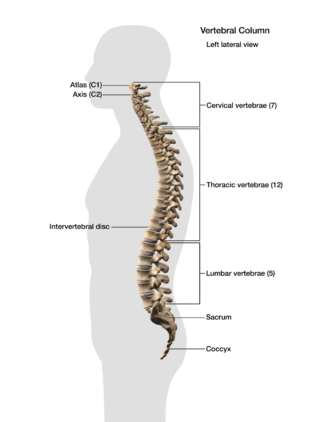
Your spine (or backbone) is made up of bones called vertebrae, stacked on top of each other to form a loose ‘S’-shaped column.

Your spinal cord transports messages to and from your brain and the rest of your body. It passes through a hole in each of the vertebrae, where it’s protected from damage. It runs through the length of your spinal column.

Each vertebra is cushioned by spongy tissue called intervertebral discs. These discs act as shock absorbers. Vertebrae are joined together by small joints (facet joints), which allow the vertebrae to slide against each other, enabling you to twist and turn. Tough, flexible bands of soft tissue (ligaments) also hold the spine in position.

Layers of muscle provide structural support and help you move. They’re joined to bone by strong tissue (tendons).

Your spine is divided into five sections: 7 cervical or neck vertebrae, 12 thoracic vertebrae, 5 lumbar vertebrae, 5 fused vertebrae in your sacrum and 4 fused vertebrae in your tailbone (or coccyx) at the base of your spine.

So what’s causing the pain?

It’s important to know that most people with neck pain don’t have any significant damage to their spine. The pain they’re experiencing often comes from the soft tissues such as muscles and ligaments.

Some common causes of neck pain are:

  • muscle strain or tension – caused by things such as poor posture for long periods (e.g. hunching over while using a computer/smartphone or while reading), poor neck support while sleeping, jerking or straining your neck during exercise or work activities, anxiety and stress.
  • cervical spondylosis – this arthritis of the neck is related to ageing. As you age, your intervertebral discs lose moisture and some of their cushioning effect. The space between your vertebrae becomes narrower, and your vertebrae may begin to rub together. Your body tries to repair this damage by creating bony growths (bone spurs). Most people with this condition don’t have any symptoms; however, when they do occur, the most common symptoms are neck pain and stiffness. Some people may experience other symptoms such as tingling or numbness in their arms and legs if bone spurs press against nerves. There can also be a narrowing of the spinal canal (stenosis).
  • other musculoskeletal conditions such as osteoarthritis, rheumatoid arthritis, fibromyalgia, osteoporosis.
  • herniated disc (also called a slipped or ruptured disc). This occurs when the tough outside layer of a disc tears or ruptures, and the soft jelly-like inside bulges out and presses on the nerves in your spine.
  • whiplash – this is a form of neck sprain caused when the neck is suddenly whipped backward and then forward. This stretches the neck muscles and ligaments more than normal, causing a sprain. Whiplash most commonly occurs following a car accident and may occur days after the accident.

Symptoms

The symptoms you experience will depend on what’s causing your neck pain but may include:

  • pain and/or stiffness in the neck and shoulders
  • pain when moving
  • difficulty turning your head
  • headache.

In most cases, neck pain goes away in a few days. But if your pain doesn’t get better, or you develop other symptoms, you should see your doctor.

Or you can answer a few questions in the neck pain and stiffness symptom checker by healthdirect to find out if you need medical care. Simply click on ‘N’ and select ‘neck pain and stiffness’.

Seeing your doctor

If you need to see your doctor because of your neck pain, you can expect a discussion about potential causes or triggers of your pain, whether you’ve had neck pain before, things that make your pain worse, things that make it better. Your doctor will also conduct a thorough physical exam.

This discussion and examination by your doctor will decide whether more investigations (e.g. x-rays, CT or MRI scans) are appropriate for you. However, these tests are generally unhelpful to find a cause of the pain unless there’s an obvious injury or problem (e.g. following an accident or fall). It‘s also important to know that many investigations show ‘changes’ to your spine that represent the normal passage of time, not damage to your spine.

Often it’s not possible to find a cause for neck pain. However, it’s good to know that you can still treat it effectively without knowing the cause.

For more information about questions to ask your doctor before getting any test, treatment or procedure, visit the Choosing Wisely Australia website.

Dealing with neck pain

Most cases of neck pain will get better within a few days without you needing to see your doctor. During this time, try to keep active and carry on with your normal activities as much as possible.

The following may help relieve your symptoms and speed up your recovery:

Use heat or coldthey can help relieve pain and stiffness. Some people prefer heat (e.g. heat packs, heat rubs, warm shower, hot water bottle), others prefer cold (e.g. ice packs, a bag of frozen peas, cold gels). Always wrap them in a towel or cloth to help protect your skin from burns and tissue damage. Don’t use for longer than 10 to 15 minutes at a time, and wait for your skin temperature to return to normal before reapplying.

Rest (temporarily) and then move. When you first develop neck pain, you might find it helps to rest your neck, but don’t rest it for too long. Too much rest can stiffen your neck muscles and make your pain last longer. Try gentle exercises and stretches to loosen the muscles and ligaments as soon as possible. If in doubt, talk with your doctor.

Sleep on a low, firm pillow – too many pillows will cause your neck to bend unnaturally, and pillows that are too soft won’t provide your neck with adequate support.

Be aware of your posture – poor posture for extended periods, for example, bent over your smartphone, can cause neck pain or worsen existing pain. This puts stress on your neck muscles and makes them work harder than they need to. So whether you’re standing or sitting, make a conscious effort to be aware of your posture and adjust it if necessary, or do some gentle stretches.

Massage your pain awaymassage can help you deal with your physical pain, and it also helps relieve stress and muscle tension. You can give yourself a massage, see a qualified therapist or ask a family member or friend to give you a gentle massage.

Take time to relax – try some relaxation exercises (e.g. mindfulness, visualisation, progressive muscle relaxation) to help reduce muscle tension in your neck and shoulders.

Try an anti-inflammatory or analgesic cream or gel – they may provide temporary pain relief. Talk with your doctor or pharmacist for advice.

Use medication for temporary pain relief – always follow the instructions and talk to your doctor about alternatives if you find they don’t help.

Treating ongoing neck pain

Sometimes neck pain lasts longer than a few days, and you may have ongoing neck pain. There are things you can do to manage this:

  • See your doctor if the pain is worse or if you have other symptoms in addition to your neck pain such as numbness, pins and needles, fever or any difficulty with your bladder or bowel.
  • See a physiotherapist or exercise physiologist – they can provide you with stretching and strengthening exercises to help relieve your neck pain and stiffness.
  • Injections – some people with persistent neck pain may benefit from a long-acting steroid injection into the affected area. Talk with your doctor about whether this is right for you.
  • Surgery – is rarely needed for neck pain. However, it may be required in cases where severe pain interferes with daily activities, or the spinal cord or nerves are affected.

(Originally written and published by Lisa Bywaters 2022)

Contact our free national Help Line

If you have questions about managing your pain, your musculoskeletal condition, treatment options, mental health issues, COVID-19, telehealth, or accessing services be sure to call our nurses. They’re available weekdays between 9am-5pm on 1800 263 265; email (helpline@msk.org.au) or via Messenger.

More to explore


caring-for-carer-webinar.png
14/Aug/2023

Do you take better care of the person you are caring for than yourself?

If the answer is yes, you will benefit from this workshop. We will explore why your health and well-being are important, and give you strategies to help better care for yourself.

The workshop is open to all families and carers, especially those who find it difficult to care for themselves.

TOPICS WILL INCLUDE:

  • Why caring for ourselves is so important
  • What stops us caring for ourselves?
  • Making a self-care commitment


Our presenter: Sally Camilleri – Carer and Community Educator
Sally’s academic experience encompasses welfare studies, anthropology, and education. She has many years’ experiences as an educator and facilitator of learning that builds on a career in direct service delivery, community development and project management with people with a disability, women who experience disadvantage and Carers. This includes implementing financial literacy programs with refugee and migrant women, to build capacity to engage with our complex financial systems. Having worked with Carers Victoria for over four years, Sally has built a complex understanding of the carer perspective.


musculoskeletal health australia

Musculoskeletal Health Australia (or MHA) is the consumer organisation working with, and advocating on behalf of, people with arthritis, osteoporosis, back pain, gout and over 150 other musculoskeletal conditions.

Useful Links


Copyright by Musculoskeletal Health Australia 2026. All rights reserved

ABN: 26 811 336 442ACN: 607 996 921